
Tuesday, January 26, 2010
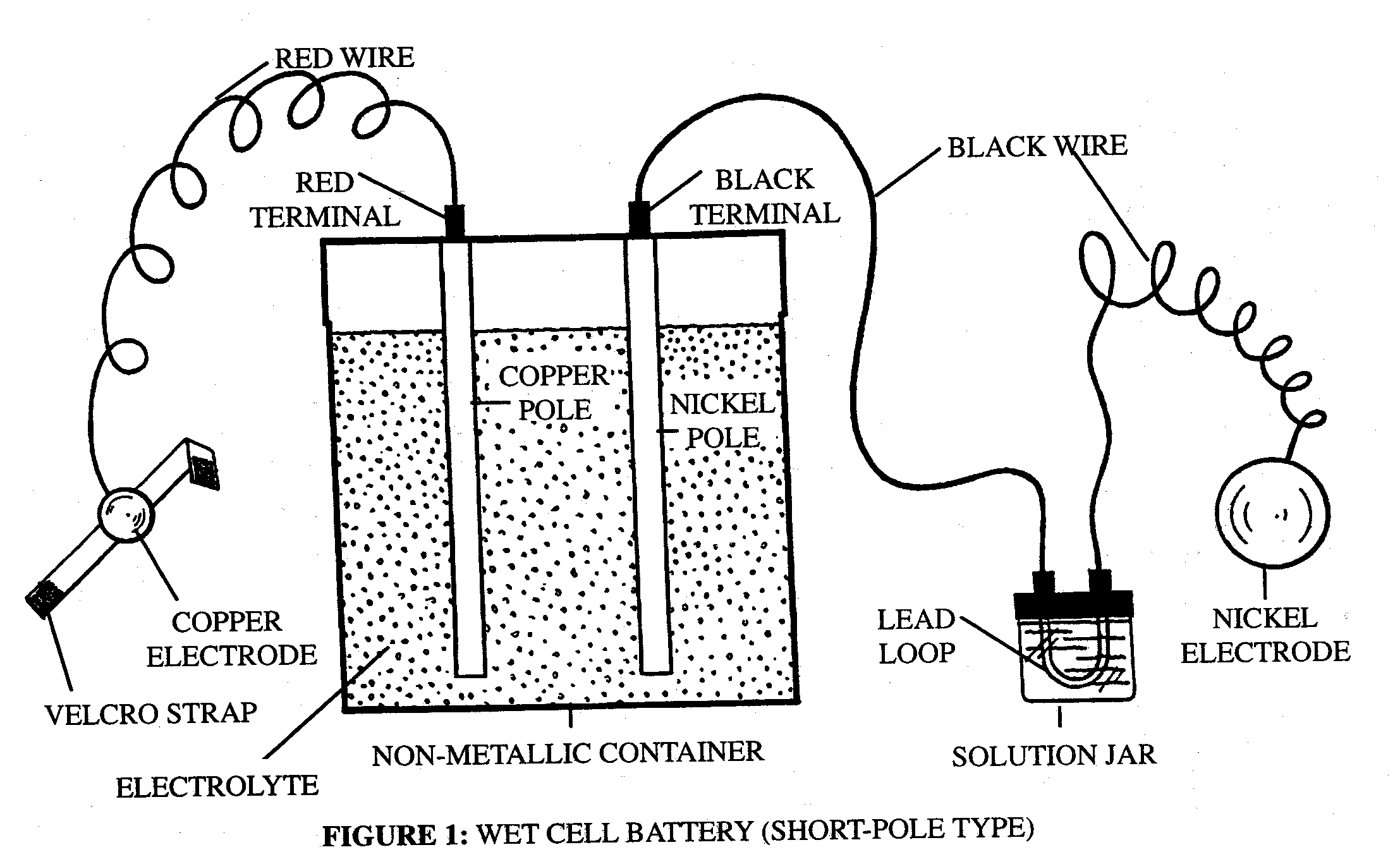
The lead acid battery is a secondary battery that contains lead, lead oxide, plates, and a liquid electrolyte solution containing 65% water and 35% sulfuric acid. When a load is attached to the battery's terminals, a chemical reaction between the lead, lead oxide, and electrolyte solution occurs. As a result, electricity flows through the terminals to the load, and sulfuric acid is removed from the solution and is bonded to the plates. When the battery is recharged by passing a reversed current through it, the bonds between the plates and the sulfuric acid are broken and the sulfuric acid returns to the liquid solution, making it available to provide more electricity.
After extended use, a wet cell battery will no longer be able to provide sufficient electricity to the load to which it is attached. This happens because the material in the positive plates flakes off during the normal expansion and contraction of the discharging and charging cycles over time. As the material flakes off, the plates become smaller and the flakes form a sediment on the bottom of the battery that will eventually make the plates short out and kill the battery completely. A wet cell battery will die more quickly in a hot climate because the heat causes the plates to either accumulate or lose material and also, water evaporates from the electrolyte solution. In addition, excessive use of the battery, excessive vibration and overcharging causes a battery to die faster.
http://www.wisegeek.com/what-is-a-wet-cell-battery.htm
+ [ written by SEOWHWEE ] + 4:22 AM